Transforming Your Bathroom with the Right Tub
Few fixtures command attention in a modern renovation quite like a luxurious bathtub. Whether unwinding after a long work week or designing a showpiece master ensuite, selecting the right tub layout is one of the most significant design and plumbing decisions you will make.
Homeowners in Sydney frequently ask our commercial team: should I choose an iconic freestanding bathtub or a streamlined back-to-wall design? In this guide, we break down the key differences, space requirements, and maintenance considerations to help you choose with confidence.
1. Modern Freestanding Bathtubs: The Statement Centrepiece
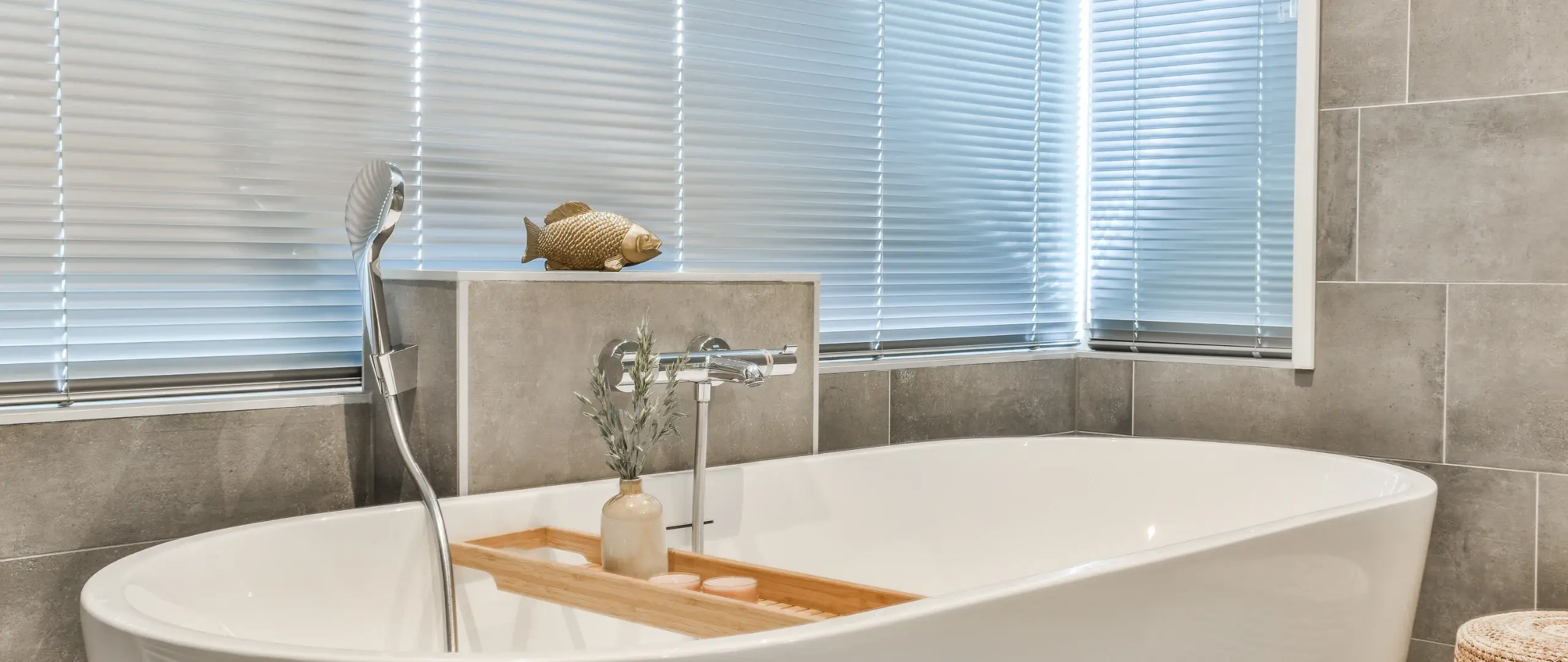
A freestanding bath is completely detached from the surrounding walls, standing as a sculptural work of art in the centre of the room or alongside a feature tiled wall.
Key Advantages of Freestanding Baths:
- Architectural Drama: Serves as an immediate focal point that elevates your bathroom aesthetic into a five-star hotel resort feel.
- Flexible Positioning: Can be angled or placed adjacent to floor-to-ceiling windows or feature timber slat walls.
- Pairing with Floor Mixers: Complements towering floor-mounted freestanding bath mixers for a striking visual impression.
Space Consideration: Freestanding baths require adequate clearance around the exterior—ideally at least 150mm to 200mm between the tub and adjacent walls—to allow easy cleaning and avoid dust traps.
2. Back-to-Wall Bathtubs: Space-Saving Luxury
Back-to-wall bathtubs offer the curved, ergonomic front profile of a freestanding tub while featuring a flat rear panel that mounts flush against your bathroom wall.
Why Homeowners Love Back-to-Wall Tubs:
- No Awkward Gaps: Eliminates the narrow rear space behind the bath, making cleaning effortless and preventing lost shampoo bottles.
- Compact Footprint: Ideal for standard Australian 2.5m x 2.5m bathroom dimensions where space is precious.
- Wall Mixer Compatibility: Allows for cost-effective wall-mounted bath spouts and diverters, saving on floor plumbing work.
3. Material Matters: Acrylic vs. Solid Stone Resin
When selecting your bath, the material dictates both heat retention and overall weight:
- Sanitary-Grade Acrylic: Lightweight, naturally warm to the touch, and easy to manoeuvre upstairs. Highly resistant to chipping and simple to clean with mild soapy water.
- Solid Cast Stone Resin: Premium, dense, and solid with superior heat retention for marathon soaks. Keep in mind that a filled stone bath can exceed 400kg, so ensure floor joists are verified by your builder.
"When planning your bathroom layout, always measure the doorways, hallway turns, and staircase clearance in addition to the room dimensions before your delivery arrives."
Final Recommendation
If you have a generous master bathroom with ample floor clearance, a sculptural freestanding bath makes an unforgettable design statement. For medium or family bathrooms where everyday convenience and simple cleaning reign supreme, a back-to-wall bath delivers the perfect synthesis of beauty and practicality.